CBD Oil Strengths Explained: 5% vs 10% vs 20%
Published on
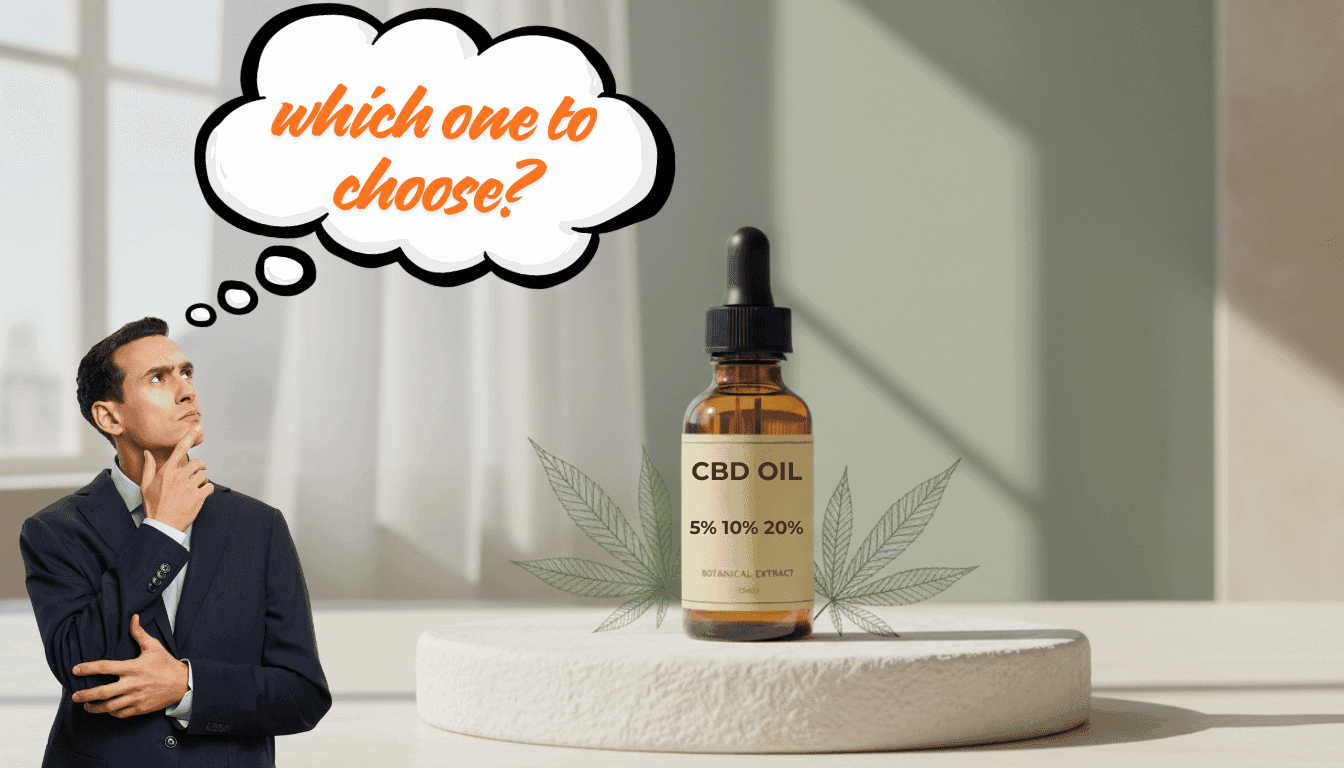

The common mistake?
Choosing a CBD oil can feel oddly technical: numbers on the label, “spectrum” jargon, and percentage claims that seem to promise certainty—yet leave many people more confused than confident. The common mistake? Treating a percentage like a universal measure, without checking what it translates to in real-world use (like mg per ml, or roughly mg per drop). That gap can lead to overbuying, underbuying, or simply picking a product that doesn’t match your routine. In this guide, the goal is simple: make cbd oil strength easier to compare, so the choice feels intentional—not impulsive. You’ll learn how cbd oil percentage works, what 5% vs 10% vs 20% typically indicates, and how to choose cbd oil with a “quality-first” mindset that prioritizes transparency, traceability, and customer experience.
CBD oil strength: what “5% / 10% / 20%” really means
When people talk about cbd oil strength, they often mean “how concentrated is the extract in the bottle.” Most brands express this as a percentage, but percentages are only truly meaningful when you connect them to:
- Bottle size (e.g., 10 ml vs 30 ml).
- Total CBD content (often listed in mg).
- Concentration (mg per ml), which helps you compare across different bottle sizes.
CBD oil percentage vs mg: translate the label
A practical way to compare products is to look for total CBD in mg and then calculate mg per ml:
- If the bottle is 10 ml and contains 500 mg CBD total, that’s 50 mg/ml.
- If the bottle is 10 ml and contains 1000 mg CBD total, that’s 100 mg/ml.
- If the bottle is 10 ml and contains 2000 mg CBD total, that’s 200 mg/ml.
Many brands align 5% / 10% / 20% with figures like these in 10 ml formats, but it’s not guaranteed—so always verify the mg on the label.
“mg per drop” (the routine-friendly metric)
If you use a dropper, “mg per drop” can be a more routine-friendly way to think. Drop size varies by dropper and viscosity, so treat it as approximate. Still, the principle holds: higher concentration usually means more CBD per drop, which can be convenient for people who prefer fewer drops.
CBD oil for beginners: why lower strengths can be a smart start
For cbd oil for beginners, a lower-strength option (often 5%) can be appealing because it supports a slower, more mindful learning curve. The benefit here is not “results”—it’s control: it’s easier to fine-tune how a product fits into daily habits when each serving is less concentrated.
Beginners often prioritize:
- A mild, easy-to-measure routine.
- A neutral flavor profile (or lightly flavored options).
- Simple labels and clear usage guidance.
- Predictable consistency from bottle to bottle (batch transparency matters here).
When 5% can make sense (lifestyle use cases)
A 5% CBD oil is commonly chosen by people who:
- Want a gentle entry point into CBD routines.
- Prefer flexibility (more room to adjust serving size).
- Value simplicity and want to learn what “normal use” looks like for them.
CBD oil percentage comparison: 5% vs 10% vs 20% (practical differences)
Percentages are not “better vs worse.” They are tools for matching a product to preference, frequency, and convenience.
5% CBD oil: light concentration, maximum flexibility
A 5% oil is often used by people who like:
- Smaller total commitment per serving.
- More granular control (adjust drop count more easily).
- A softer “first bottle” experience.
Potential trade-offs (not downsides):
- You may use more drops to reach the same mg amount as a higher strength.
- Bottles may run out faster if used frequently.
10% CBD oil: balanced, versatile, routine-friendly
A 10% option is often perceived as the “middle lane.” Many regular users choose it because:
- It balances convenience and control.
- It suits people who already know they like CBD in their routine.
- It can be a comfortable step-up from 5% without feeling extreme.
Potential trade-offs:
- Slightly less granular control than 5% if you prefer very small serving sizes.
20% CBD oil: high concentration, convenience-focused
A 20% oil is typically chosen by experienced users or those who prioritize:
- Fewer drops (more mg per ml).
- A stronger concentration in smaller bottle sizes.
- A “minimal steps” routine (especially when traveling or keeping a compact kit).
Potential trade-offs:
- Less flexibility if you prefer very low amounts per serving.
- Higher concentration makes label clarity and lab testing even more important, because you’re relying heavily on precision.
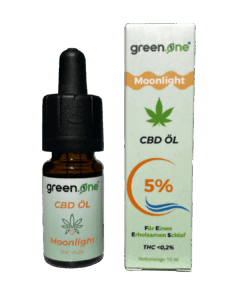
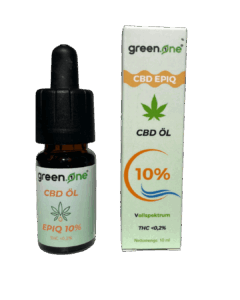
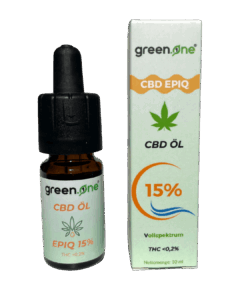
How to choose CBD oil: a routine-first checklist
If you’re wondering how to choose cbd oil, start with the routine—then confirm the technical details. This keeps the decision grounded and helps avoid buying based on hype.
Use this checklist:
- Choose your strength target: Decide whether you want a lighter (often 5%), mid (often 10%), or higher (often 20%) concentration based on convenience and comfort.
- Confirm the concentration: Look for total CBD in mg and bottle size in ml; compute mg/ml if needed.
- Pick a spectrum type: Full spectrum, broad spectrum, or isolate (more below).
- Review ingredients: Carrier oil, flavoring, and any botanicals.
- Check the label experience: Clear instructions, storage guidance, batch number, and customer support details.
- Verify transparency: COA / third-party lab report should be easy to access and match the batch.
Full spectrum vs broad spectrum vs isolate (choose by preference)
These terms describe what’s in the extract beyond CBD:
- Full spectrum: Includes CBD plus other naturally occurring cannabinoids and compounds from hemp (within compliant limits set by local regulations and brand policies).
- Broad spectrum: Similar profile, typically processed to remove or reduce certain compounds while keeping a broader mix.
- CBD isolate: Primarily CBD, usually with a simpler profile and minimal aroma/taste.
Lifestyle selection tip: if you prefer a more neutral taste and “clean” simplicity, isolate or flavored oils can feel easier. If you appreciate a more botanical aroma and “plant-forward” profile, full or broad spectrum may be more aligned with your preferences.
Which cbd oil strength fits your routine? (5% vs 10% vs 20%)
Instead of asking “Which one is strongest?”, ask: “Which one fits how I actually use it?”
Choose 5% if you value flexibility and gentle onboarding
A 5% option is often a great match when:
- You’re new and want to build consistency first.
- You like adjusting gradually (more control per drop).
- You use CBD occasionally or seasonally in your self-care routine.
Choose 10% if you want balance for everyday routines
A 10% oil is often chosen when:
- You already know you like CBD in your day-to-day.
- You want fewer drops without jumping to very high concentration.
- You prefer a “one bottle fits most days” approach.
Choose 20% if you prioritize convenience and fewer drops
A 20% oil tends to suit routines where:
- You prefer minimal steps and a compact setup.
- You want more concentration per serving.
- You’re confident reading labels and verifying lab reports.
Quality First: what to check before you buy
For a premium customer experience, product quality isn’t only about the number on the bottle. It’s about whether the brand makes it easy to verify what you’re buying—every time.
Here’s what to look for:
- Batch number on the label: A batch/lot number is a traceability signal; it should connect to documentation.
- COA / lab test (third-party): Look for an accessible Certificate of Analysis that matches the batch number and is recent enough to be relevant to current inventory.
- Clear cannabinoid profile: A good lab report typically shows a breakdown (not just “CBD” as a single number).
- Ingredient list: Carrier oil (like MCT, olive, or hemp seed oil), plus any flavorings. Prefer short, readable ingredient lists.
- Label clarity: Bottle size (ml), total CBD (mg), storage instructions, and usage notes should be easy to find.
- Packaging and care: Dark glass, secure dropper, and tamper-evident details can be part of a thoughtful quality approach.
- If cosmetics are involved: Check INCI format and fragrance allergens (where applicable), and look for transparent usage instructions.
Shopping Guide: how to choose CBD oil with confidence (without overthinking)
Shopping for CBD can be simple when you follow a predictable decision path.
Step 1: Start with strength (percentage) — then verify mg
- Pick 5%, 10%, or 20% based on your routine preferences.
- Confirm mg total and mg/ml to compare fairly across brands and bottle sizes.
Step 2: Choose a spectrum that matches your taste and expectations
- Want neutral and minimal aroma? Consider isolate or flavored options.
- Prefer a botanical, hemp-forward profile? Consider full or broad spectrum.
Step 3: Choose a format that matches your habits
- Dropper oil: Classic, flexible, easy to blend into a consistent routine.
- Capsules: Convenient and pre-measured (less flexible).
- Topical formats (if shopping skincare/cosmetics): Consider texture, scent, and ingredient compatibility with your existing products.
Step 4: Plan how it fits into your routine
Examples of routine placement (no promises, just habit design):
- Morning “reset”: Add your oil step after water/coffee, before leaving home.
- Evening wind-down ritual: Pair with journaling, skincare, or a screen-free moment.
- On-the-go minimalism: Choose a higher concentration if you want fewer steps and a compact bottle.
Step 5: Store it like a premium product
- Keep away from heat and direct light.
- Close the dropper tightly to protect aroma and consistency.
- Follow the label’s storage guidance and best-before dates.
FAQ (SEO)
What does CBD oil strength mean?
CBD oil strength usually describes how concentrated the CBD extract is in the bottle, often shown as a percentage. To compare products more accurately, look for total CBD in mg and bottle size in ml, then translate that into mg per ml. This helps you understand what you’re actually measuring in everyday use.
Is 5% CBD oil good for beginners?
Many people choose 5% CBD oil as a beginner-friendly option because it can feel easier to measure and adjust gradually. The key is choosing a product with clear labeling (mg and ml), simple ingredients, and transparent batch-linked lab testing, so the learning curve stays straightforward.
Is 10% CBD oil stronger than 5%?
In most cases, yes—10% indicates a higher concentration than 5%. Still, percentages can vary by brand and bottle size, so it’s smart to verify the total CBD in mg and calculate mg/ml. That’s the most reliable way to compare “strength” across different products.
Who typically chooses 20% CBD oil?
A 20% CBD oil is often chosen by people who already know their preferred routine and want more concentration per ml (often fewer drops). Because higher concentrations rely more on precision, it’s especially important to check the batch number and the third-party lab report for transparency.
How do I choose CBD oil percentage?
Start from your routine: how often you plan to use it, how much flexibility you want, and whether you prefer fewer drops. Then confirm the numbers on the label (mg total, ml bottle size) and choose a spectrum type (full, broad, or isolate) that matches your taste preferences.
What should a CBD lab report (COA) include?
A COA typically includes a cannabinoid breakdown and basic quality indicators, and it should match the batch number on your product. The most important part is accessibility and traceability: it should be easy to find, easy to read, and clearly connected to the exact bottle you’re buying.
Does CBD oil taste different at different strengths?
It can. Higher strengths may have a more noticeable hemp-forward taste, depending on spectrum type and carrier oil. Flavored options or isolate-based formulas often taste more neutral, while full/broad spectrum oils can feel more botanical. Checking ingredients and product descriptions helps set expectations.
Final CTA
Explore the CBD oil category here: https://green.one/ and take a moment to check batch numbers and lab tests before adding a product to your cart. A transparent label and an easy-to-access COA are often the clearest signs of a brand that takes quality seriously.
Compliance snippet: Informational content only, not medical advice; for specific questions, consult a qualified professional.